

10: Parenting
- Page ID
- 231853
\( \newcommand{\vecs}[1]{\overset { \scriptstyle \rightharpoonup} {\mathbf{#1}} } \)
\( \newcommand{\vecd}[1]{\overset{-\!-\!\rightharpoonup}{\vphantom{a}\smash {#1}}} \)
\( \newcommand{\dsum}{\displaystyle\sum\limits} \)
\( \newcommand{\dint}{\displaystyle\int\limits} \)
\( \newcommand{\dlim}{\displaystyle\lim\limits} \)
\( \newcommand{\id}{\mathrm{id}}\) \( \newcommand{\Span}{\mathrm{span}}\)
( \newcommand{\kernel}{\mathrm{null}\,}\) \( \newcommand{\range}{\mathrm{range}\,}\)
\( \newcommand{\RealPart}{\mathrm{Re}}\) \( \newcommand{\ImaginaryPart}{\mathrm{Im}}\)
\( \newcommand{\Argument}{\mathrm{Arg}}\) \( \newcommand{\norm}[1]{\| #1 \|}\)
\( \newcommand{\inner}[2]{\langle #1, #2 \rangle}\)
\( \newcommand{\Span}{\mathrm{span}}\)
\( \newcommand{\id}{\mathrm{id}}\)
\( \newcommand{\Span}{\mathrm{span}}\)
\( \newcommand{\kernel}{\mathrm{null}\,}\)
\( \newcommand{\range}{\mathrm{range}\,}\)
\( \newcommand{\RealPart}{\mathrm{Re}}\)
\( \newcommand{\ImaginaryPart}{\mathrm{Im}}\)
\( \newcommand{\Argument}{\mathrm{Arg}}\)
\( \newcommand{\norm}[1]{\| #1 \|}\)
\( \newcommand{\inner}[2]{\langle #1, #2 \rangle}\)
\( \newcommand{\Span}{\mathrm{span}}\) \( \newcommand{\AA}{\unicode[.8,0]{x212B}}\)
\( \newcommand{\vectorA}[1]{\vec{#1}} % arrow\)
\( \newcommand{\vectorAt}[1]{\vec{\text{#1}}} % arrow\)
\( \newcommand{\vectorB}[1]{\overset { \scriptstyle \rightharpoonup} {\mathbf{#1}} } \)
\( \newcommand{\vectorC}[1]{\textbf{#1}} \)
\( \newcommand{\vectorD}[1]{\overrightarrow{#1}} \)
\( \newcommand{\vectorDt}[1]{\overrightarrow{\text{#1}}} \)
\( \newcommand{\vectE}[1]{\overset{-\!-\!\rightharpoonup}{\vphantom{a}\smash{\mathbf {#1}}}} \)
\( \newcommand{\vecs}[1]{\overset { \scriptstyle \rightharpoonup} {\mathbf{#1}} } \)
\(\newcommand{\longvect}{\overrightarrow}\)
\( \newcommand{\vecd}[1]{\overset{-\!-\!\rightharpoonup}{\vphantom{a}\smash {#1}}} \)
\(\newcommand{\ket}[1]{\left| #1 \right>}\)
\(\newcommand{\bra}[1]{\left< #1 \right|}\)
\(\newcommand{\braket}[2]{\left< #1 \vphantom{#2} \right| \left. #2 \vphantom{#1} \right>}\)
\(\newcommand{\braopket}[3]{\left< #1 \vphantom{#2}\vphantom{#3} \right| #2 \vphantom{#1}\vphantom{#3} \left| #3 \vphantom{#1}\vphantom{#2} \right>}\)
\(\newcommand{\qmvec}[1]{\mathbf{\vec{#1}}}\)
\(\newcommand{\op}[1]{\hat{\mathbf{#1}}}\)
\(\newcommand{\expect}[1]{\langle #1 \rangle}\)
\(\newcommand{\dfn}[1]{\emph{\textbf{#1}}}\)
Parenting is a lifelong job that does not come with a manual, but it shapes the next generation in profound ways. Parents care for, guide, and teach their children, helping them grow from completely dependent infants into independent, capable adults. Along the way, parents provide protection, set rules, model behavior, and support their children’s sense of self worth and responsibility.
Children learn from their parents, but parents also learn from their children, adjusting routines, expectations, and strategies as children grow. Good parenting balances guidance with freedom, support with structure, and nurturance with independence. In the world today, parents also navigate rapidly changing technology, social expectations, and cultural shifts, making flexibility and communication more important than ever.
The goal is simple: raise children who can thrive on their own while carrying forward the values, skills, and emotional resilience that will help them succeed in life.
Functions of Parents
Parents serve many essential roles that shape the lives of their children and influence society as a whole. They act as caregivers, providing food, shelter, protection, and personal care from infancy through adulthood. Parents are also primary agents of socialization. Socialization is the process by which children learn the values, norms, and behaviors of their culture. From birth, parents, family members, and close friends help children understand their world and their place within it.
Parents teach skills and knowledge that prepare children for life. They guide hygiene, manners, work habits, study skills, and interpersonal relationships. They also serve as mentors, modeling behavior and helping children navigate social, emotional, and practical challenges. Parents act as advocates for their children, ensuring access to education, healthcare, and community resources while helping their children learn to advocate for themselves.
Parenting strategies vary depending on the child’s age, temperament, and needs. Infants and toddlers require constant care and supervision, while school age children benefit from structure, guidance, and opportunities to develop independence. Teenagers require a balance of support and freedom, allowing them to develop critical thinking, decision making, and self reliance. Young adults often continue to rely on parental support, even as they assume independent roles in society.
All parents follow a parenting paradigm, whether based on tradition, personal experience, or formal guidance. These paradigms shape how parents respond to challenges, discipline, and opportunities for growth. The most effective parenting provides consistent support while encouraging independence. It balances control with freedom, guidance with autonomy, and nurturance with responsibility.
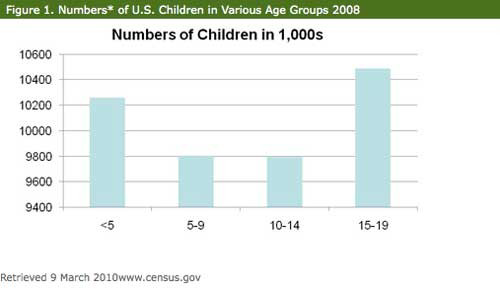
Most adults in the United States become parents at some point in their lives. This can include being a parent to a biological child, an adopted child, a stepchild, or a child unrelated by birth whom the adults raise as their own. All parents generally perform the functions described above. Everyone who cares for children approaches parenting according to a parenting paradigm. Parenting paradigms are conceptual frameworks or ideas that guide how parents carry out their responsibilities. These frameworks can develop habitually, based on how the parent was raised or whether they were raised at all. They can also be formal, drawing from self-help resources, educational programs, or professional guidance. Parenting paradigms are shaped by how parents define their roles, the goals they aim to achieve over time, and the effectiveness of their strategies in fulfilling their parenting responsibilities.
Childhood Dependence
From a developmental perspective, the goal of parents is to raise independent, capable, and self-directed adults who can succeed in both family and societal roles. A child’s independence is generally very low until adolescence. Teenagers begin to exert independence through a process called individuation.
Individuation is the process of forming a separate identity and reducing dependence on others, particularly parents. Children start separating from their parents around the second year of life, and gradual efforts at independence become visible as they master self-care skills during childhood. Table \PageIndex1\PageIndex{1}\PageIndex1 illustrates the levels of dependence and the child’s ability to nurture others at different stages of life.
Table \PageIndex1\PageIndex{1}\PageIndex1: Children's Dependence and Their Ability to Nurture Others Over Certain Life Course Stages
| Stage | Dependence or Independence Levels | Ability to Nurture Others |
|---|---|---|
| Newborn | None | None |
| 1-5 | Very Low | Very Little |
| 6-12 | Functional | Low |
| 13-18 | Moderate | Moderate |
| 19-24 | Increasingly higher | Increasingly higher |
| Parenthood | High but needs support | High but needs support |
Parenting from birth through age eighteen requires an understanding of how children develop physically, emotionally, and intellectually. Psychologists and sociologists, including Jean Piaget, Sigmund Freud, Erik Erikson, John B. Watson, George Herbert Mead, and Charles Cooley, have developed theories that guide research on child development. While this text cannot cover every theory in detail, a few core ideas can guide parents in their efforts.
Children from birth to age five have little independence. They cannot survive without adult care and have limited ability to nurture others. They do begin to develop nurturance through play and early interactions. Children ages six to twelve grow physically and develop emotionally and intellectually. They achieve functional independence and can assist adults with tasks. They begin to provide care to younger children, but their reasoning skills for nurturing remain limited. Teenagers from thirteen to eighteen begin to develop abstract reasoning and complex emotional understanding. Most could survive without adult care, but it would be challenging. They are capable of some nurturing, although their emotional responses are often volatile due to hormonal changes.
These differences illustrate that a single parenting approach will not work effectively for all age groups. Additionally, individual children vary in which parenting strategies are most effective, even within the same family.
Young adults who leave home and complete individuation enter a stage of increasing independence while remaining partially dependent on their parents. Many continue to rely on parental support for advice, resources, money, and guidance. Their ability to nurture emotionally and in other ways continues to increase.
When young adults become parents, they join the ranks of billions of parents who have attempted to guide their children. Many young parents view their own parents as valuable sources of experience and knowledge. Research indicates that young parents adjust more successfully when they have support from family and friends. Having a listening ear and access to parental guidance helps these adults balance independence with nurturing responsibilities.
Parenting Paradigms
All parents develop a way of approaching the parenting role, often referred to as a parenting paradigm. A parenting paradigm is a set of ideas or patterns that guide how parents make decisions, respond to children, and carry out their caregiving responsibilities. These paradigms are influenced by multiple factors, including a parent’s own upbringing, education, cultural background, personal values, and experiences.
Parenting paradigms can be habitual or intentional. Habitual paradigms are shaped by how parents were raised. For example, a parent who experienced strict rules in childhood may naturally favor a more structured approach with their own children, while a parent who experienced a more permissive upbringing may prioritize freedom and flexibility. Intentional paradigms are developed consciously, often influenced by parenting books, formal education, workshops, or research on child development.
A parenting paradigm also reflects how parents define their roles and what they hope to accomplish. Some parents prioritize teaching independence and self-reliance, while others emphasize nurturing emotional security, academic achievement, or moral development. Most parents combine multiple goals and strategies, adjusting their approach based on the child’s age, personality, and changing family circumstances.
Understanding one’s parenting paradigm is valuable because it helps parents identify strengths, recognize areas for growth, and adapt strategies to meet the evolving needs of their children. It also helps parents balance guidance with freedom, structure with flexibility, and expectations with support. By reflecting on their own beliefs and practices, parents can make conscious choices that promote the healthy development of their children into capable and confident adults.
Behaviorism and Cognitive Model
The next level in the model presented below in Figure 10.4 is called Behaviorism.
Behaviorism is a theory of learning that states children will repeat behaviors that bring a desired reward and will stop behaviors that result in punishment. All of us, including children, tend to maximize rewards while minimizing punishments. The Behaviorism approach to parenting is a powerful strategy for raising younger children. Preschoolers do not yet have the reasoning skills to fully understand risks, such as traffic dangers.
For example, a four-year-old may not understand why playing near the street is dangerous. A parent who requires a brief time-out when the child goes near the street again is using a behavior-based consequence that teaches boundaries. Ten minutes for a small child may feel like hours, making it a strong deterrent. Non-physical methods, such as time-outs or removal of privileges, are often just as effective as spanking. Numerous studies indicate that non-spanking approaches work well. For instance, a 2008 ABC News poll found that about sixty-five percent of Americans approve of parents spanking children, but only twenty-six percent approve of spanking in schools.
Parents need to understand what constitutes a meaningful reward or punishment for their child. Some children respond to verbal approval or disapproval, while others respond to privileges or time with friends. Once parents know their child’s preferences, they can use rewards and consequences effectively.
Examples of Rewards and Consequences Figure 10.4
| Age Group | Possible Rewards | Possible Consequences / Punishments |
|---|---|---|
| Preschool (3–5) | Verbal praise, stickers, extra playtime, favorite activity | Short time-out, removal of toy, brief loss of privileges |
| Early School Age (6–12) | Verbal approval, small treats, special activity, choice in tasks | Time-out, extra chores, limited screen time, loss of privileges |
| Teenagers (13–18) | Praise, allowance, access to social activities, privileges, recognition | Grounding, withdrawal of privileges (phone, social outings), additional responsibilities |
| Young Adults (18+) | Acknowledgment of achievements, increased independence, trust, autonomy | Loss of privileges, restrictions on choices, guided reflection on consequences |
Behaviorism is most effective for younger children and should be complemented with a reasoning-based approach, known as the Cognitive Model, as children grow. The Cognitive Model focuses on explaining the reasons behind rules and consequences to help children understand why they should behave in certain ways. After age seven, children develop stronger reasoning skills. Teenagers and young adults can consider abstract reasoning, present their own perspectives, and understand the parent’s perspective.
The Cognitive Model can relieve parental frustration with Behaviorism, which sometimes feels like bribery. Rewards and consequences in Behaviorism are not for selfish purposes; they guide the child toward growth, maturity, and self-discipline. Children, like adults, are motivated to pursue rewards and avoid punishments.
Behaviorism and the Cognitive Model are not perfect and may fail when emotions override reasoning, particularly in teenagers. Even when children act irrationally, these approaches are generally more effective than no system or physical punishment alone.
The next step in the model is to gradually integrate children into responsibilities and eventually adult roles. Parents often hesitate to let children fail, but failures can be powerful learning experiences. Mistakes teach children about their strengths and weaknesses, helping them develop resilience, judgment, and self-confidence. Certain parenting approaches support children in learning from their efforts, while others interfere with the natural learning process.
Parenting Roles and Responsibilities
Parenting involves a wide range of roles and responsibilities that change as children grow and develop. Parents are responsible not only for meeting basic physical needs, such as food, clothing, and shelter, but also for fostering emotional, social, and cognitive growth. These responsibilities include teaching values, modeling behavior, guiding decision-making, and providing consistent support and structure.
The specific ways parents carry out these responsibilities are influenced by their parenting paradigm, the child’s age and temperament, and the family’s cultural and social context. Parents must constantly adapt to their child’s developmental stage. For example, the needs of a newborn are primarily physical and emotional, requiring close supervision and nurturing. As children grow, they develop more independence and begin to require guidance in learning problem-solving, self-regulation, and social skills. Teenagers often benefit from support that balances freedom with accountability, helping them navigate the challenges of individuation while remaining connected to the family.
Parents also perform important roles in preparing children for participation in society. This includes teaching social norms, encouraging responsibility, supporting education, and modeling healthy relationships. Effective parenting requires flexibility, patience, and an understanding that strategies may need to be adjusted for different children even within the same family.
Finally, parents themselves are learners. They gain knowledge and skills from their own experiences, from observing their children, and from guidance offered by family, friends, and professionals. Recognizing the dynamic nature of parenting can help adults approach their role with confidence and intentionality, promoting the growth of children who are independent, capable, and able to nurture others.
Children grow into independent adults gradually. Co-adulthood occurs when young adults are capable of fulfilling responsibilities, confident in their identity, and able to nurture relationships while still benefiting from parental guidance. Even in young adulthood, children continue to rely on parents for advice, support, and resources. The goal of parenting is to guide children toward independence while maintaining supportive connections.
Parents have a critical role in shaping a child’s sense of self-worth. Self-worth is the recognition of one’s value, strengths, and unique traits. Teaching children to appreciate their own abilities and embrace imperfection fosters resilience and confidence. Conversely, shaming children—portraying them as fundamentally flawed or broken—can lead to dependence, low self-esteem, and vulnerability to addiction or maladaptive coping strategies.
Children form self-concepts by comparing actual performance with ideal expectations. Parents help children balance their aspirations with realistic achievements. Encouraging effort, celebrating accomplishments, and consoling children after failures teaches them to learn from mistakes and view themselves as competent individuals.
Figures 5 and 6: Responsibility and Self-Worth
Figure 5 illustrates parents and children working together on household tasks, highlighting opportunities for children to take responsibility and develop competence. Figure 6 demonstrates how children weigh their self-worth by comparing actual performance with ideal expectations. When parents provide guidance, celebrate achievements, and encourage growth, children develop realistic self-concepts and the confidence to pursue adult roles successfully.
By fostering independence, providing guidance, and supporting realistic self-evaluation, mentoring parents help children develop into capable, self-directed adults. Finding the balance between control and freedom is a dynamic process that evolves as children grow, and it lays the foundation for healthy family relationships and adult success.


Finding the balance between control and freedom is essential in parenting. Rescue parents provide too much help, which can make children dependent, while dominating parents exert too much control, limiting independence. Mentoring parents negotiate and share control, guiding children in age-appropriate ways while allowing choices and fostering responsibility. Collaborating on household tasks and nurturing independence helps children develop practical skills, confidence, and self-worth. By supporting realistic expectations, consoling after failures, and encouraging growth, parents prepare children to become capable, self-directed adults who can thrive in their relationships and adult roles.