The physical and emotional environment created by educators significantly impacts children's behavior. A positive, supportive environment fosters healthy interactions and encourages appropriate behavior. Although there are several elements to consider, here are three that are key.
Organization
A well-organized classroom is essential for creating a productive and supportive learning environment. Organization helps maximize instructional time, reduce distractions, and establish a sense of structure that benefits both teachers and students. When materials, routines, and expectations are clearly organized, students can navigate the classroom more efficiently and focus on learning rather than confusion or disruptions.
One of the key benefits of organization is that it promotes student independence. When students know where to find materials, how to complete tasks, and what is expected of them, they become more self-sufficient and take ownership of their learning. Clear procedures, labeled supplies, and structured routines empower students to make decisions, solve problems, and manage their responsibilities without constant teacher intervention. This fosters confidence, accountability, and important life skills.
Bright Colors vs. Natural Colors in a Classroom
The choice between bright colors and natural colors in a classroom can significantly impact the learning environment, student behavior, and overall classroom atmosphere. Both have their advantages, depending on the goals of the teacher and the needs of the students.
Bright Colors

Primary colors were used as a way to grab students' attention.
Bright colors, such as reds, yellows, blues, and greens, are often used in classrooms because they create an engaging, energetic, and stimulating environment. These colors can help grab students’ attention, increase enthusiasm, and promote creativity. Bright colors are especially effective in early childhood classrooms, where younger students may benefit from a visually stimulating setting.
However, too many bright colors can become overwhelming, leading to distractions or overstimulation. To balance this, teachers can use bright colors strategically—such as for bulletin boards, activity stations, or small accents—while keeping the overall environment structured and organized.
Natural Colors
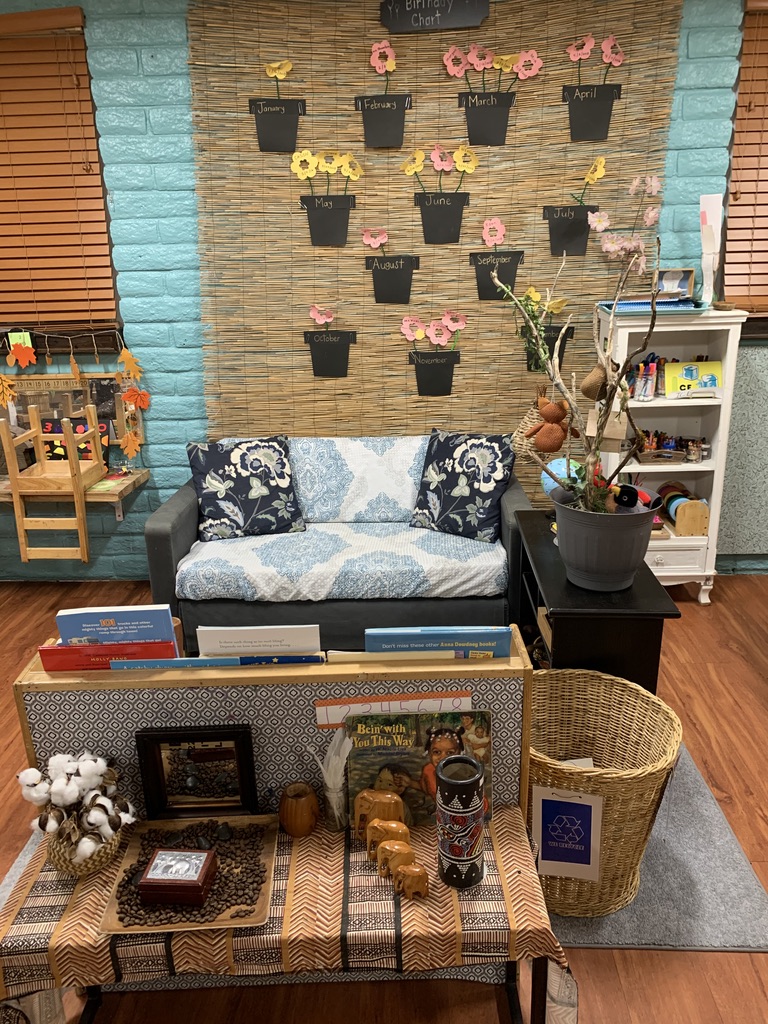
A classroom using natural tones to create a calm and home-like environment to enhance student learning.
Natural or muted colors, such as soft blues, greens, browns, and neutral tones, create a calm, soothing, and focused atmosphere. These colors are often associated with reducing anxiety, improving concentration, and promoting a sense of stability. Natural colors work well in classrooms for older students or those who need a more relaxed and structured setting, such as special education or high-stakes testing environments.
Using natural colors doesn’t mean the classroom has to feel dull. Teachers can incorporate textures, plants, and warm lighting to make the space inviting while maintaining a sense of calm.
Finding a Balance
A balanced approach often works best—using natural tones for walls and furniture to provide a grounding effect, while incorporating pops of bright colors in learning areas, student work displays, and interactive spaces. This way, the classroom remains visually appealing without becoming chaotic or overwhelming.
Ultimately, the choice between bright and natural colors should align with the teacher’s goals, the students’ needs, and the type of learning environment that best supports focus, engagement, and well-being.
For example, having designated areas for supplies, clear instructions for turning in assignments, and structured daily routines allows students to complete tasks with minimal guidance. Visual schedules, checklists, and self-assessment tools further support independence by giving students the tools to track their progress and stay organized.
Ultimately, an organized classroom creates a calm, predictable environment where students feel secure and capable. It reduces frustration, improves efficiency, and encourages students to take initiative in their learning. By fostering independence through organization, teachers prepare students for both academic success and real-world problem-solving skills.
Classroom Design and Movement
Classroom design plays a crucial role in student engagement, behavior, and learning outcomes. A well-designed classroom should promote efficient movement, collaboration, focus, and accessibility while minimizing distractions. The way furniture, learning areas, and pathways are arranged can greatly impact how students interact and navigate the space.
Key Elements of Effective Classroom Design
- Flexible Seating Arrangements: Desks and tables should be arranged to support different learning styles, such as group work, independent study, or whole-class instruction. Options like standing desks, floor cushions, or moveable chairs allow students to adjust based on their needs.
- Clear Pathways: Students should be able to move around the classroom without congestion. Pathways should be wide enough for smooth transitions between areas, especially near high-traffic zones like the teacher’s desk, supply areas, and entry/exit points.
- Designated Learning Zones: Creating different areas for reading, group discussions, technology use, and quiet work helps students transition between tasks without confusion. Clearly labeled sections help maintain organization and minimize disruptions.
- Teacher Accessibility: The teacher’s desk or main teaching area should be positioned so they can see and interact with all students easily. Avoid placing obstacles that block sight lines or hinder movement.
- Storage and Organization: Materials should be stored in clearly labeled bins or shelves that students can access independently. Reducing clutter and having organized spaces improves efficiency and minimizes distractions.
- Strategic Wall Use: Visual elements like anchor charts, student work, and bulletin boards should enhance learning without overwhelming the space. Too many decorations can cause visual clutter and distraction.
- Technology Integration: Computers, smartboards, and charging stations should be placed in accessible yet non-disruptive areas to avoid congestion.
- Movement-Friendly Layout: Allow room for activities that require movement, such as brain breaks, stretching, or hands-on learning stations. Encouraging kinesthetic learning can help students stay engaged and focused.
A well-thought-out classroom design promotes a structured yet dynamic learning environment where students can move efficiently, stay engaged, and feel comfortable. By considering movement flow, accessibility, and flexibility, teachers create a space that supports both learning and classroom management.


